
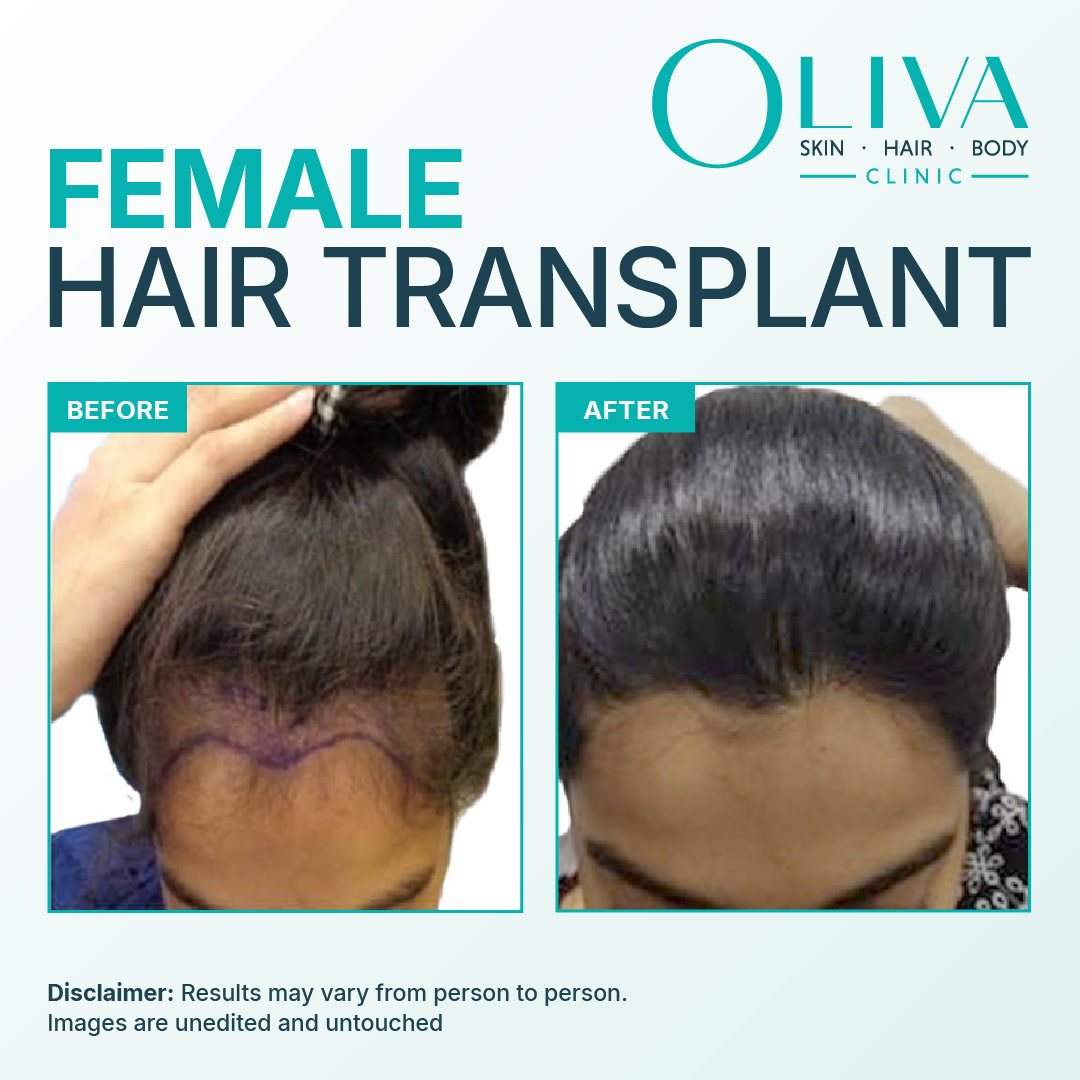
Hair loss is no longer a concern limited to men. An increasing number of women across different age groups are experiencing hair thinning, bald patches, and excessive hair fall due to genetics, hormonal changes, medical conditions, or lifestyle factors. For women struggling with permanent hair loss, a female hair transplant has emerged as a safe and effective long-term solution. Unlike temporary treatments such as medications or topical applications, hair transplantation offers natural-looking, permanent hair restoration. With advancements in medical technology, the female hair transplant procedure has become more refined, minimally invasive, and highly successful. This article explains everything you need to know from causes and diagnosis to procedure details, benefits, side effects, and the female hair transplant cost in India.
What Is Hair Transplantation?
Hair transplantation is a surgical procedure that involves moving healthy hair follicles from a donor area (usually the back or sides of the scalp) to areas affected by hair loss. In women, this technique is carefully customized to preserve natural hair density and feminine hairlines.
In a female hair transplant, the transplanted hair follicles continue to grow naturally after implantation. The procedure is commonly performed using advanced methods like FUE (Follicular Unit Extraction) and FUT (Follicular Unit Transplantation), ensuring minimal scarring and faster recovery.
Unlike wigs or cosmetic concealments, hair transplantation restores your own hair, making it a permanent and natural solution for hair loss in women.
Symptoms of Hair Loss in Women
Hair loss in women can present in various ways. Common symptoms include:
- Gradual thinning of hair on the crown or parting line
- Widening of the hair part
- Receding hairline, especially around the temples
- Excessive hair fall during brushing or washing
- Visible scalp in certain areas
- Patchy hair loss due to conditions like alopecia areata
Early identification of these symptoms is crucial, as timely consultation can help determine whether a female hair transplant or non-surgical treatment is required.
What Causes Hair Loss in Women?
Several factors contribute to hair loss in women, including:
1. Hormonal Imbalances
Conditions such as PCOS, menopause, pregnancy, and thyroid disorders can disrupt hair growth cycles.
2. Genetic Factors
Female pattern hair loss (androgenetic alopecia) is hereditary and one of the most common causes.
3. Medical Conditions
Autoimmune diseases, anemia, scalp infections, and chronic illnesses can trigger hair loss.
4. Stress and Lifestyle Factors
Emotional stress, poor nutrition, crash dieting, and lack of sleep negatively affect hair health.
5. Excessive Styling and Chemical Treatments
Frequent heat styling, hair coloring, and chemical treatments weaken hair follicles over time.
When hair follicles are permanently damaged, a female hair transplant procedure becomes the most reliable treatment option.
How Is Hair Loss in Women Diagnosed?
Accurate diagnosis is essential before recommending a hair transplant. A dermatologist or hair restoration specialist may perform:
- Scalp examination to assess hair density and pattern
- Medical history evaluation to identify hormonal or genetic causes
- Blood tests to detect nutritional deficiencies or hormonal imbalances
- Trichoscopy (scalp imaging) to analyze follicle health
Diagnosis helps determine whether hair loss is temporary or permanent and whether a female hair transplant in India is suitable for the patient.
Hair Transplant Procedure in Women
The female hair transplant procedure is performed under local anesthesia and typically involves the following steps:
Step 1: Donor Area Selection
Healthy hair follicles are selected from the donor area, usually the back of the scalp.
Step 2: Follicle Extraction
Using FUE or FUT techniques, individual follicular units are carefully extracted.
Step 3: Recipient Area Preparation
Tiny incisions are made in the thinning or bald areas, considering natural hair direction and density.
Step 4: Implantation
Extracted follicles are implanted into the recipient area with precision.
The procedure can take 4–8 hours depending on the number of grafts. Most women resume normal activities within a few days.
Benefits of Hair Transplant in Women
A female hair transplant offers several advantages:
- Permanent and natural hair restoration
- Improved hair density and volume
- Enhanced self-confidence and appearance
- Minimal maintenance after full recovery
- Safe and effective for various hair loss patterns
When performed by an experienced specialist, results are long-lasting and indistinguishable from natural hair growth.
What Are the Side Effects of Hair Transplant in Women?
Hair transplantation is generally safe, but mild side effects may occur, including:
- Temporary swelling or redness
- Mild pain or discomfort
- Itching or scab formation
- Temporary shedding of transplanted hair (shock loss)
These effects are short-term and resolve within a few weeks. Serious complications are rare when the procedure is done by a qualified dermatologist.
What Are the Treatments Available for Hair Transplant in Women?
Depending on hair loss severity, treatments may include:
- FUE Hair Transplant; Most preferred due to minimal scarring
- FUT Hair Transplant; Suitable for extensive hair loss
- PRP Therapy; Often combined with transplant for better growth
- Medications; To support hair health before and after transplant
Your doctor may recommend combining treatments for optimal results.
Female Hair Transplant Cost in India
The female hair transplant cost in India can vary depending on several factors such as the extent of hair loss, number of grafts required, technique used (FUE or FUT), clinic reputation, and the experience of the dermatologist.
On average, the cost of a female hair transplant in India typically ranges from ₹40,000 to ₹2,00,000 or more.
Smaller procedures requiring fewer grafts fall toward the lower end of the range, while advanced or extensive hair restoration cases may fall on the higher side.
When to Consult a Dermatologist?
You should consult a dermatologist if:
- Hair loss persists for more than 6 months
- You notice thinning or bald patches
- Hair fall affects confidence and mental well-being
- Non-surgical treatments are ineffective
Early consultation helps determine if a female hair transplant in India is the right solution and prevents further hair loss.
Takeaway
A female hair transplant is a safe, effective, and permanent solution for women facing long-term hair loss. With advanced techniques, affordable female hair transplant cost in India, and expert dermatologists, women can achieve natural-looking hair restoration and renewed confidence. Choosing the right clinic and timely treatment ensures successful and satisfying results.
Frequently Asked Questions On Female Hair Transplant
Is hair transplant successful in females?
Yes, hair transplants are highly successful in females when hair loss is properly diagnosed and the procedure is performed by an experienced specialist.
How long do hair transplants last for women?
Hair transplants are permanent. The transplanted hair grows naturally and lasts a lifetime with proper care.
Is 40 too old for a female hair transplant?
No, age is not a limiting factor. Women in their 40s and beyond can safely undergo hair transplantation if they are medically fit.
Is hair transplantation safe for women?
Yes, it is a safe and well-established procedure with minimal risks when performed by qualified professionals.
Can women undergo hair transplant after pregnancy?
Yes, but it is recommended to wait until hormonal levels stabilize, usually 6–12 months after pregnancy.