
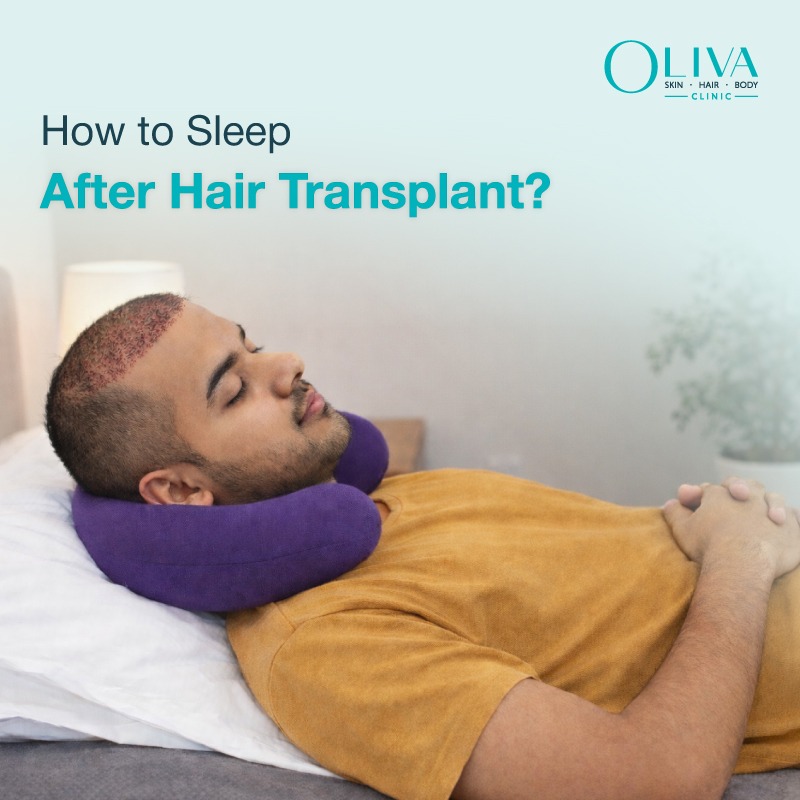
Undergoing a hair transplant is an exciting step toward restoring your confidence but the first few nights after the procedure can feel stressful. Many patients worry: What if I damage my grafts while sleeping? What’s the safest sleeping position after a hair transplant. Sleeping correctly after a hair transplant plays a crucial role in graft survival, healing, and overall results. In the initial days, newly implanted hair follicles are delicate and need protection from pressure, friction, swelling, and accidental trauma. That’s why doctors provide specific, medically approved sleeping guidelines to follow during recovery. In this blog, we’ll explain how to sleep after hair transplant, the best sleeping positions, pillow choices, timelines, and post hair transplant sleeping tips so you can rest peacefully while protecting your results.
Why Sleeping Position Matters After Hair Transplant
After a hair transplant, the grafts are not yet firmly anchored into the scalp. During the first few days:
- Hair follicles are extremely sensitive
- Excess pressure or rubbing can dislodge grafts
- Poor positioning may increase swelling, bleeding, or discomfort
- Contact with pillows or bedsheets can cause friction and contamination
The right sleeping position helps:
- Protect grafts from physical damage
- Reduce post-operative swelling
- Promote faster and safer healing
Following your surgeon’s instructions carefully during sleep is just as important as medications and aftercare.
Best Sleeping Position After Hair Transplant
The best sleeping position after hair transplant is an upright or semi-reclined position, similar to resting in a recliner.
Why this works:
- Minimizes swelling on the forehead and scalp
- Prevents grafts from touching the pillow
- Reduces pressure on the transplanted area
How to Maintain This Position Comfortably
- Use 2–3 firm pillows to elevate your head
- Sleep in a recliner chair, if available
- Place pillows on both sides of your body to prevent turning
This position is strongly recommended by doctors, especially in the first few days.
How Many Days Should You Sleep Upright After Hair Transplant?
Here’s a clear, doctor-approved timeline:
Day 1–3
- Sleep upright at a 30–45° angle
- Avoid any contact between grafts and pillow
- Highest risk period for graft displacement
Day 4–7
- You may gradually lower head elevation
- Still avoid side or stomach sleeping
- Swelling usually starts reducing
After 7 Days
- Most grafts are securely anchored
- You can begin returning to normal sleeping positions (with care)
Note:
Always follow your surgeon’s personalized advice, as recovery can vary.
Can You Sleep on Your Side or Stomach After Hair Transplant?
Sleeping on your side or stomach too soon after a hair transplant is strongly discouraged because the newly implanted grafts are still delicate and not fully anchored to the scalp. During the first 7 days, side sleeping can cause unintentional rubbing or pressure against pillows, which may dislodge grafts and increase the risk of graft loss. Stomach sleeping is even riskier and should be avoided for at least 10–14 days, as it places direct pressure on the transplanted area, potentially damaging the follicles and interfering with proper healing. To protect your results and ensure optimal graft survival, doctors recommend maintaining an upright or semi-reclined sleeping position during this critical recovery period.
When Is It Safe?
- Side sleeping may be allowed after 7–10 days
- Stomach sleeping only after full healing and doctor approval
Best Pillow to Use After Hair Transplant
Choosing the right pillow after hair transplant can significantly improve comfort and safety.
Recommended Pillow Options
- Neck / travel pillow: Keeps head stable, prevents rolling
- Donut pillow: Reduces pressure on transplanted area
- Firm pillows: Better support than soft, fluffy ones
Hygiene Is Critical
- Use a clean pillowcase daily
- Avoid rough or textured fabrics
- Keep pillows dry and dust-free
Sleeping Tips to Protect Hair Grafts
These post hair transplant sleeping tips are simple but effective:
- Place rolled towels on both sides to prevent turning
- Sleep alone for the first few nights (avoid pets/kids)
- Keep the room clean and dust-free
- Avoid rubbing, scratching, or touching the scalp
- Wear any protective headgear only if prescribed
Small precautions can make a big difference in results.
Common Sleeping Mistakes to Avoid After Hair Transplant
After a hair transplant, certain sleeping habits can negatively affect graft survival and delay healing. Sleeping flat too soon increases the risk of swelling and allows the transplanted area to come into contact with the pillow, which may dislodge fragile grafts. Using very soft or fluffy pillows can cause excessive movement and friction during sleep, putting pressure on the newly implanted follicles. Scratching scabs—especially unconsciously while sleeping can pull out grafts and lead to poor healing or infection. Consuming alcohol before bedtime should be avoided, as it can increase bleeding, swelling, and dehydration, all of which interfere with recovery. Similarly, taking sleep medications without your doctor’s approval may cause excessive movement or reduce awareness during sleep, increasing the chances of accidental graft damage. Avoiding these mistakes is essential for protecting your hair transplant results.
When Can You Sleep Normally After Hair Transplant?
Most patients can resume normal sleeping habits after 7–10 days, once:
- Swelling has subsided
- Grafts are securely anchored
- Scabs start falling off naturally
By 2 weeks, sleeping positions usually no longer affect graft safety. However, comfort and caution should still guide you.
When to Contact Your Doctor?
Reach out to your hair transplant doctor immediately if you notice:
- Excessive bleeding
- Severe or increasing pain
- Sudden graft loss
- Unusual swelling or infection signs
Early medical guidance ensures optimal recovery.
Takeaway
Learning how to sleep after hair transplant is a key part of ensuring successful results. With the right sleeping position, supportive pillows, and simple precautions, you can protect your grafts and heal confidently. Always follow your surgeon’s personalized instructions—and remember, a few careful nights can secure results that last a lifetime.
FAQs: Sleeping After Hair Transplant
1. Can I turn while sleeping after hair transplant?
It’s best to avoid turning for the first few days. Use pillows or towel supports to maintain position.
2. What if I accidentally touch grafts while sleeping?
Don’t panic. Occasional light contact usually doesn’t cause damage. If bleeding or graft loss occurs, contact your doctor.
3. Can I use a regular pillow after hair transplant?
Yes, but it should be firm, clean, and covered with a soft pillowcase. Neck or donut pillows are preferred.
4. Is it normal to have difficulty sleeping after hair transplant?
Yes. Mild discomfort, anxiety, or sleeping upright can disturb sleep temporarily. This improves within a few days.
5. Does sleeping position affect hair growth?
Indirectly, yes. Proper sleeping positions protect grafts during the critical healing phase, supporting healthy hair growth.